


-
Activity no.: 1
-
Activity no.: 2
-
Activity no.: 3
-
Activity no.: 4
-
Activity no.: 5
-
Activity no.: 6
-
Activity no.: 7
-
Activity no.: 8
-
Activity no.: 9
-
Activity no.: 10
-
Activity no.: 11
-
Activity no.: 12
-
Activity no.: 13
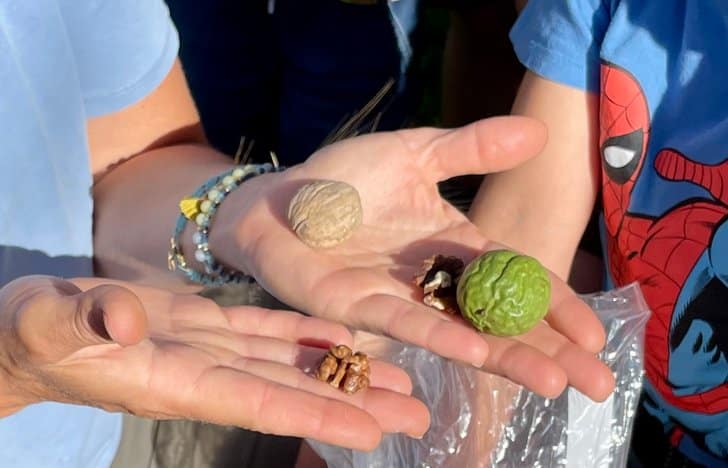
Our ECO-FOOD in the playground
We grow, smell and taste organic vegetables and compare with sprayed vegetables, their taste, appearance and durability - is there a difference?
In the activity Our ECO-FOOD in the playground, we take the first steps to
to be able to grow the institution's own organic vegetables. This can be in plant boxes or in the kitchen garden.
We will go through why organic vegetables are healthier for us and our nature.
We investigate the difference between sprayed vegetables and organic vegetables with taste tests.
We look at the durability of the vegetables and how pesticides affect vegetables and animal life in nature.
The children will taste vegetables and smell herbs.
Activity length: 1 day.
Period: April to September

Nature's pantry
"Can you raise dough on your stomach and eat a dandelion?"
We go hunting in nature for edible plants, and together we prepare our finds into “green goodies”.
What we find during the hunt, we use for the menu.
For example, nettle soup, elderberry soup or flower and mirabelle bread.
We raise our dough with our stomachs before the bread is baked.
We talk about sustainability from soil to table and healthy to mouth as a pedagogical tool.
Activity length: 2 days.
Period: From April to September.

Recycling, circuits and compost
"What can we recycle, where can we use it and why should we use it?"
In this activity, we take a closer look at how we can recycle everyday packaging such as plastic bottles, milk cartons and egg cartons. We investigate which organic materials are sustainable enough for growing compost, and which ones can be left in nature for the animals.
We go through the water and nature's cycle, while we observe animals and organic materials in our compost that help to create new organic vegetables.
Activity length: 1 day.
Period: March to December.
Nature in the institution
Why should we help the insects, and how can we help nature's animals in the playground?
The activity "Nature in the institution" focuses on the animals that can be attracted to the institution's nature, as well as the animals that are already found in the institution's nature, and which come to visit both during the day and at night.
When we have to help these animals, we can choose to sow and plant insect-friendly plants and flowers.
For the animals, we can build birdhouses, make insect hotels and even hedgehog homes.
We look for creepy-crawly animals, plants and help the insects, birds and maybe even the hedgehog.
Activity length: 1 day.
Period: March to November

Animals up close
We look closely at animals, dissect and examine it and compare it with the human body. At the end of the day, we must also taste it.
In the activity "Animals up close" we see how the animal's body is built up in relation to the human body.
We see how the tendons and muscles work, and we find the different organs. We talk about how the heart transports the blood around the body via the blood vessels. We end the activity by tasting the animal's meat and talking about how it is digested in the human intestines.
Are human intestines even designed to eat meat and what do the dissected animal's intestines look like compared to a predator's?
Activity length: 1 day.
Period: March to December

The little angler and know your crab
How do you stroke shrimp and which seaweed can you eat?
As anglers, we will practice casting, fishing with a fishing rod or crab rod and net. We go on a discovery in the blue water, where we explore the water and its animals.
We get to know the different types of crabs and learn to distinguish between the species. We dissect our catch, so we get right into the animals. After this, nothing goes to waste, and we taste the animal or plant.
This activity will take place by the sea near your local area. It will be possible to borrow waders for children if this has been agreed in advance.
Participants only need clothes according to the weather and rubber boots.
Activity length: 1 day.
Period: May to September

The life of the butterfly
"Why can a larva always eat and why does the Admiral butterfly fly all the way to Spain?"
We follow the butterfly all the way from when it is an egg until the butterfly gets wings. We talk about what the butterfly eats while it develops and during its life. We will learn to recognize different butterfly patterns, and we will investigate the difference between moths and butterflies.
Activity length: 1 day.
Period: June to August.

Bees - Heroes of the Air
"How many kinds of bees are there and how much honey does a bee make throughout its life?"
We get to know the bees and talk about how many bees there are. We also look at how the honeybees live together and produce the honey that we will eventually taste. We investigate why bees are important for flowers, berries and the fruits we eat.
We also go through how the bees have an impact on the clothes we have on our bodies.
Activity length: 1 day.
Period: April to October.

Decomposition of our waste
"Why is it important that the waste goes in the trash can, and how long does nature take to break down our waste?"
In this activity, we find waste materials from our everyday life and bury it in the ground. It can be, for example, dog poop, cigarette butts, food scraps and much more. We look at organic and non-organic waste materials and go through what it is made of and how long it takes nature to break it down.
We make a decomposition treasure map, so we can find the waste materials again when the waste is to be dug up to further investigate how the decomposition works in nature.
Activity length: 1 day.
Period: February to December

Environment, climate and photosynthesis
Our environment is changing and the temperature is rising.
This has an impact on our animal life and therefore several animal species are threatened and lack habitats.
We investigate why our climate has become warmer and how pollution affects our environment. We go hunting for carbon dioxide and investigate how the trees live and absorb carbon dioxide. We also investigate why we must take care of our trees and go through photosynthesis, and possibly we plant a tree.
Activity length: 1 day.
Period: February to December
Nature Hero children make food and housing for the animals
"How many animals hibernate and how can we help the animals in nature?"
Winter is coming and the children help the animals find a good place to overwinter.
We play animals and talk about how the animals live and eat in the winter.
We make winter homes and winter food for animals and together we hang it up in the institution.
The children taste winter food over a fire.
Activity length: 1 day.
Period: November to December
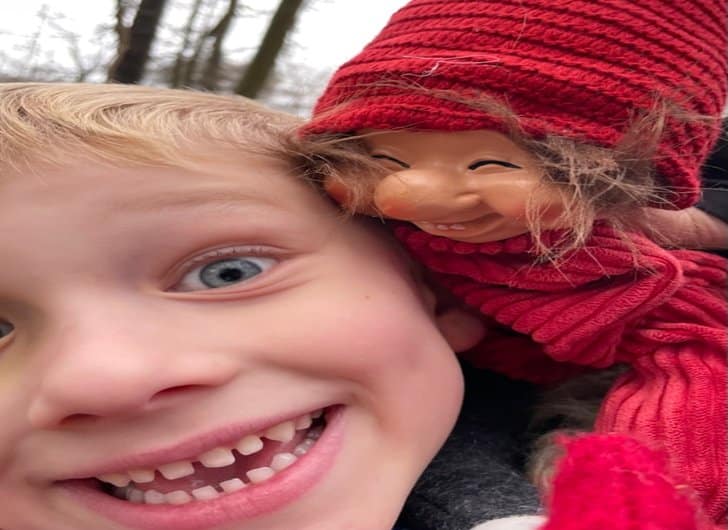
Christmas trip in the forest
"Are there elves and where can we put Christmas presents for the animals?"
Come out into the forest and see if you can find traces of the forest elves.
We talk about what the animals like to eat and find traces of the animals. We will also find materials on our trip to make Christmas decorations.
We help the forest elves to distribute Christmas presents to the forest's animals. As a conclusion to the day, we gather around a warm fire and drink warm “Christmas gløgg” together.
Activity length: 1 day.
Period: December
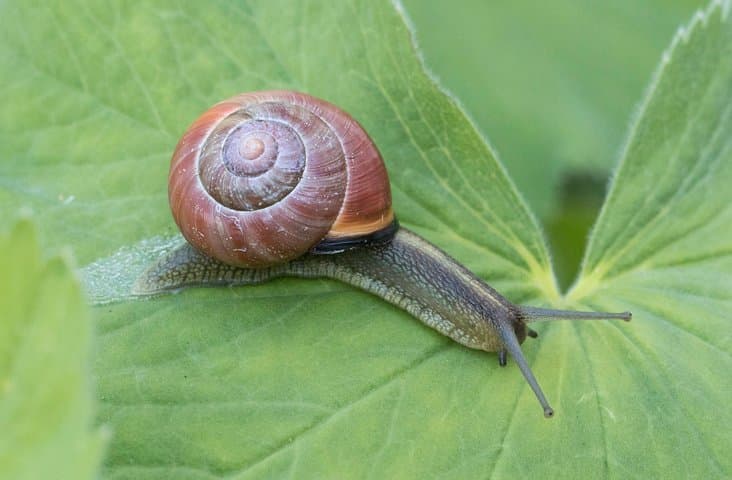
The playground's 10 most common animals
Nature guidance about the playground's most well-known animals:
- Some snails have houses, but how do they use the house?
- How many woodlice are there and where do the woodlice come from?
- Can earthworms see and does it like water?
- Beetles can run fast, but which beetle runs fastest?
- Do the larvae all become butterflies?
- Do the birds fly from the playground to the warm countries?
We go hunting for animals in the playground and talk about each animal. This activity can be combined with various others, e.g. building housing for the animals or making shorter or longer theme courses.
Bimse the Bee meets the thief Wasp
In this theater performance, the audience will learn about the difference between a bee and a wasp. What is the life of insects in nature like and why is it important that we humans can tell the difference.
Bimse is a happy little bee who works diligently on the flower meadow until she meets the thief wasp.
The thief Wasp loves sugar and would like to go home with Bimse to see what Bimse's honey looks like.
But as they get closer to Bimse's beehive, Bimse discovers that the thief wasp has other plans for Bimse's honey.
Bimse must quickly come up with a new plan so that the winter's honey and bee cakes are not stolen by the thief's wasp robber family.
After the performance, the audience will be given beehive props from a beehive that they can take home as a small theater souvenir.
Looking for a new garden